
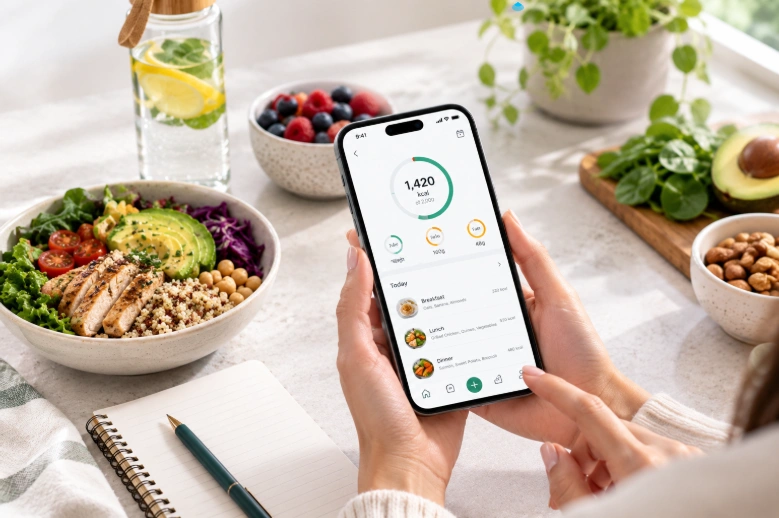
Understanding what you eat is an important part of building healthier eating habits. Many people focus on calories or weight when thinking about nutrition, but your overall diet also includes protein, carbohydrates, fats, vitamins, minerals, fibre and other essential nutrients.
Food tracking can help you become more aware of your daily eating patterns and understand where your diet may need improvement. By recording your meals, snacks and drinks, you can get a clearer picture of your calorie intake, macronutrients and nutrient intake over time.
What Is Food Tracking?
Food tracking is the process of recording the foods and drinks you consume throughout the day. Depending on your goals, you can track information such as calories, protein, carbohydrates, fats, fibre and other nutrients.
Food tracking doesn’t necessarily mean following a strict diet. Instead, it can help you understand your current eating habits and make more informed choices about your nutrition.
What Are the Benefits of Food Tracking?
1. Understand Your Daily Eating Habits
It can be easy to forget how often you snack, eat certain foods or consume drinks throughout the day. Tracking your meals gives you a clearer overview of your everyday eating habits.
Over time, this information can help you identify patterns, such as skipping meals, relying on convenience foods or eating fewer nutrient-rich foods than you intended.
2. Become More Aware of Your Nutrient Intake
Calories are only one part of a balanced diet. Your body also needs a variety of nutrients to support normal functions.
Nutrition tracking can help you pay attention to nutrients such as protein, fibre, vitamins and minerals alongside your overall calorie intake. This broader awareness can make it easier to identify areas where you may want to add more variety to your meals.
3. Make More Informed Food Choices
When you understand what different foods contribute to your diet, choosing meals can become more intentional.
For example, if you notice that your meals are consistently low in protein or fibre, you can look for foods that provide more of these nutrients. The goal isn’t to label individual foods as “good” or “bad”, but to understand how they fit into your overall diet.
4. Support Healthy Eating Habits
Food tracking can encourage you to pay closer attention to what you eat rather than making decisions automatically.
Recording meals regularly may help you become more mindful of portion sizes, meal variety and the nutritional value of different foods. Over time, this awareness can support the development of sustainable healthy eating habits.
5. Monitor Your Calorie Intake
For people who choose to monitor their energy intake, calorie tracking can provide a better understanding of how much energy they are consuming throughout the day.
However, calorie intake should be considered alongside overall food quality and nutritional needs. A balanced approach looks beyond calories and considers the nutrients provided by the foods you eat.
6. Identify Patterns in Your Diet
One of the most useful aspects of food tracking is being able to look at your diet over time rather than focusing on a single meal.
Regular tracking may reveal patterns such as:
- Frequently skipping breakfast or lunch
- Eating similar meals every day
- Not consuming enough fruits and vegetables
- Relying heavily on processed or convenience foods
- Having inconsistent protein or fibre intake
- Eating more snacks than you realise
Recognising these patterns can help you decide which eating habits you may want to change.
How to Track Your Food Effectively
Food tracking works best when it fits naturally into your routine. You can record meals using a food-tracking app, nutrition app or another method that is convenient for you.
For more useful insights, try to record:
- Main meals
- Snacks
- Drinks and beverages
- Portion sizes where practical
- Ingredients in mixed meals
- Relevant nutritional information
Consistency is generally more useful than trying to make every entry perfect.
Food Tracking Doesn’t Have to Be Complicated
Some people avoid food tracking because they think they need to manually calculate every calorie or nutrient. Modern nutrition apps can make this process easier by helping users record meals and understand their nutritional information.
Tools such as AI-powered food tracking can provide another way to log meals and explore the nutritional information associated with what you eat, helping make nutrition tracking more convenient.
How TraceVita Can Help You Understand Your Nutrition
TraceVita is designed to make nutrition tracking simpler by helping you record and understand your food intake. By using food tracking and nutrition insights, you can build a clearer picture of your eating habits and make more informed decisions about your meals.
Rather than focusing on a single meal or number, consistent tracking can help you understand your overall dietary patterns and areas where you may want to improve.
Start Building Better Nutrition Awareness
You don’t need to completely change your diet to become more aware of your nutrition. Start by paying attention to what you eat, track your meals consistently and look for patterns over time.
Food tracking can be a useful tool for understanding your calorie intake, nutrient intake and everyday eating habits. With better awareness, you can make more informed choices and work towards a more balanced approach to nutrition.
Note: Food tracking is an educational and awareness tool and should not be considered a substitute for professional medical or nutritional advice.
Frequently Asked Questions
Is tracking your food good for you?
Food tracking can help you become more aware of your eating habits, calorie intake and nutrient intake. It can provide useful insights into your overall diet and help you make more informed food choices.
What are the main benefits of food tracking?
The main benefits include understanding your eating patterns, monitoring calorie and nutrient intake, identifying potential gaps in your diet and becoming more mindful of your food choices.
Does food tracking help with healthy eating?
Food tracking can support healthy eating by helping you understand what you regularly eat and identify areas where you may want to add more variety or nutrient-rich foods.
Should I track everything I eat?
You can track meals, snacks and drinks to get a more complete picture of your food intake. However, tracking doesn’t need to be perfect. Consistency and overall dietary patterns can be more useful than focusing on individual entries.
Can an app help me track my food?
Yes. Food tracking apps can make it easier to record meals and understand calorie and nutrient information. Some apps also use AI-powered features to make meal logging more convenient.